

 Local culture
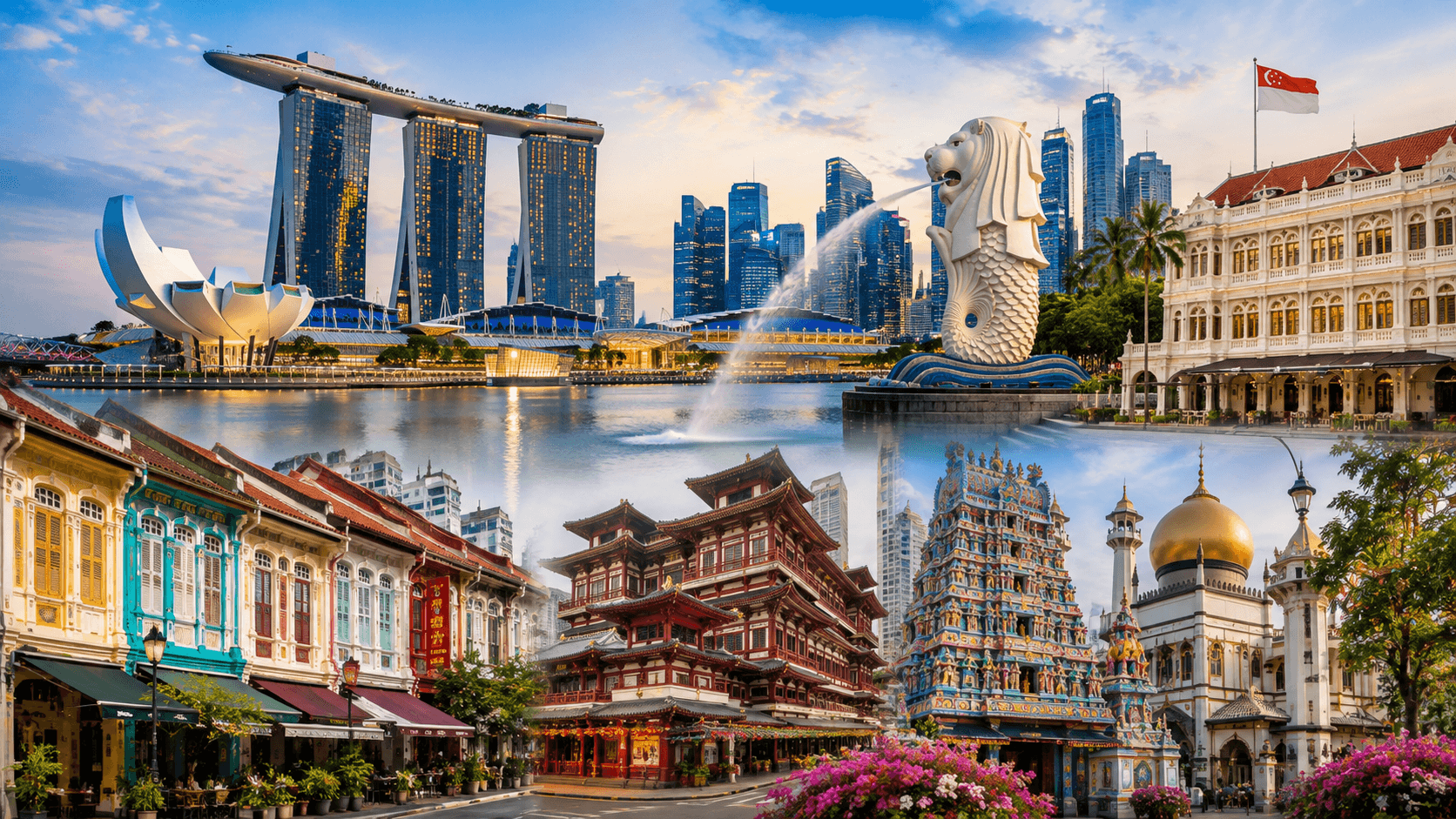
Old British-era shophouses sit quietly beneath towering walls of modern glass. This striking architectural pairing creates a living Singapore Cityscape Collage: Heritage and Skyline that shapes how people perceive the island. Locals and tourists encounter this transition constantly, stepping straight from low-rise historical conservation zones into towering concrete financial zones.
City planners worked deliberately to prevent rapid modernization from wiping out local history. The local layout serves as an international template for high-density living that respects historical roots. Examining these overlapping zones highlights the intense planning behind the local physical environment.
The Structural Roots of the Local Environment
The lowest tier of local architecture features preserved low-rise blocks from the eighteen-hundreds. These brick structures show off terracotta tiles, covered walkways, and detailed plaster facades painted in soft pastel tones. They offer a human-scale breathing space amidst the surrounding towering office complexes.
Local planners have officially protected more than seven thousand antique structures across several old quarters. This strict rule keeps the tangible traces of early migrant communities from being demolished. These preservation rules anchor the Singapore Cityscape Collage: Heritage and Skyline by keeping historical structures right next to valuable corporate land.
- Five-foot ways: Sheltered walkways protecting pedestrians from intense tropical rain and heat.
- Detailed facades: Intricate plaster designs showing a mix of Asian and European styles.
- Air wells: Open inner courtyards that draw natural light and cool air into deep rooms.
These protected quarters do not exist merely as static museum displays. Quirky coffee shops, small hotels, and family businesses run their daily operations inside these nineteenth-century walls. Giving old properties a modern commercial purpose keeps local history tied to daily survival.
The Skyward Push of the Business District
Right next to these low-slung shops rise some of the tallest steel towers in Asia. The business core displays massive glass structures planned by famous international firms. These towers reflect the fast financial rise of the island on the global stage.
This high-rise environment creates a sharp visual clash with the low, wide layout of older neighborhoods. Artists and urban planners study this abrupt shift in scale to understand local identity. This strange coexistence of different eras shapes the Singapore Cityscape Collage: Heritage and Skyline for modern observers.
Lush plant life helps soften the transition between brick shops and steel towers. Several modern high-rises feature hanging gardens, open sky decks, and eco-friendly structural elements. Adding tropical plants helps merge cold glass surfaces with the warm feel of older streets.
Studying the Singapore Cityscape Collage: Heritage and Skyline
A few distinct neighborhoods showcase this architectural blend perfectly. Visitors can view both old and new structural styles side-by-side in a single glance. This visual overlap creates a living Singapore Cityscape Collage: Heritage and Skyline where historical preservation directly meets high-density urban living.
| District | Historic Element | Modern Contrast |
|---|---|---|
| Chinatown | Preserved pre-war merchant houses | The Pinnacle at Duxton housing complex |
| Kampong Glam | Golden domes of the Sultan Mosque | Modern Duo Towers |
| Little India | Busy, low-rise commercial streets | Distant high-rises of the city center |
| Tanjong Pagar | Traditional mid-century shop fronts | Guoco Tower rising directly behind them |
Each area shows a different way the city copes with its physical limits. Singapore has a very small land mass, forcing officials to think hard about spatial density. By constructing tall towers while leaving historical footprints alone, the city hits both targets at once.
Documenting the Built Environment Through a Lens
Photographers use specific methods to record these architectural contrasts for their portfolios. Wide-angle gear is necessary to show the massive difference in height between old and new buildings. Climbing up to high spots, like public rooftop parks, helps bring different historical eras closer together in a single frame.
Late afternoon sun offers the best lighting to reveal these structural layers. Warm light strikes the rough plaster of historical walls while glinting off the flat glass of distant skyscrapers. This particular time of day emphasizes the varied surfaces that make up the Singapore Cityscape Collage: Heritage and Skyline.
Framing is a powerful method for shooting these scenes. Camera users often stand inside the arched doorways of old merchant shops to frame a tall tower miles away. This trick physically connects two different centuries in a single image.
Strict Planning Rules Behind the Coexistence
The survival of old buildings alongside modern towers stems directly from tough zoning rules. Authorities control everything from roof heights to paint colors inside protected zones. These restrictions stop modern building projects from swallowing the historical feel of local streets.
New projects near historical properties face tough safety and aesthetic checks before getting the green light. Builders must style modern structures to match, rather than fight, the surrounding historical structures. This organized system keeps the city streets looking organized and attractive.
The government offers technical guidance and conservation incentives to owners who repair historic properties. This assistance makes sure old structures remain safe to use and profitable to run. Private funds are thereby steered toward saving the historic look of the city.
Artistic Interpretations of the Double City Identity
These structural contrasts have sparked a specific style of local art. Illustrators and painters mix historical patterns with clean modern shapes on their canvases. These pieces act as cultural souvenirs that record the shifting face of the city.
Graphic artists often show these layers by mixing soft watercolor paintings of shophouses with sharp digital lines of modern towers. This recognizable Singapore Cityscape Collage: Heritage and Skyline style is now a popular theme for art prints. It lets collectors hang a piece of the local architectural story on their living room walls.
These creative works often highlight the varied cultural roots built right into the local walls. Details from Chinese, Malay, Indian, and British building styles appear alongside modern international steel frames. The finished art displays the diverse society that constructed the actual streets.
Lessons for Other Growing Cities
Growing cities worldwide can learn a lot from how Singapore manages its physical growth. Saving old buildings while expanding requires clear rules, neighborhood input, and clever spatial ideas.
- Adapt old buildings: Historic properties should house modern businesses instead of sitting empty like cold monuments.
- Set clear boundaries: Drawing sharp lines between high-rise zones and old low-rise quarters prevents visual clutter.
- Add green elements: Tropical plants and hanging gardens help link different eras of building styles.
- Involve the neighborhood: Local residents must help decide which historical structures deserve protection.
- Keep deep records: Maintaining rich archives of construction history helps guide future repair work.
These steps prove that modernization does not mean destroying historical identity. Cities can build skyward while keeping their cultural foundations safe. The finished urban layout becomes far more attractive to locals, travelers, and businesses.
A Final Look
Understanding the Singapore Cityscape Collage: Heritage and Skyline means looking past the physical bricks to see the tough laws that saved these old enclaves. This strict planning ensures the town keeps its core character while reaching toward the sky. The physical layers of the city tell a story of survival, quick adjustments, and clever planning.
This combination of old and new provides a plan for global cities experiencing fast expansion. By respecting history as much as modern tech, urban areas can build memorable neighborhoods that honor early builders. Travelers will keep enjoying this mix of past and present for decades to come.


Comments are closed