




 Brunches in singapore
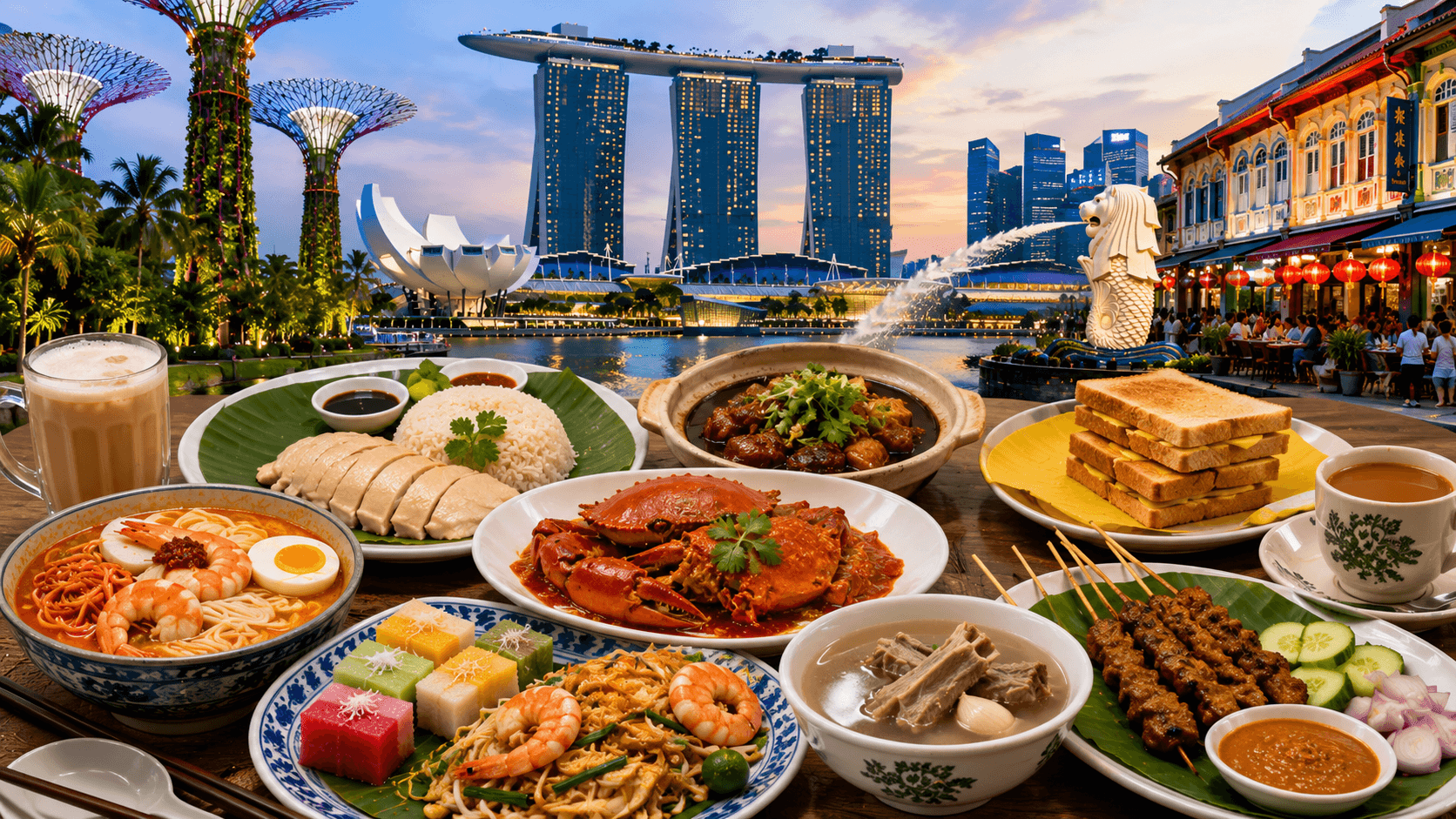
Singapore boasts a remarkably diverse culinary world. It seamlessly blends Chinese, Malay, Indian, and Eurasian culinary heritages into a delicious collision of flavors. This deep culinary history makes the island a prime spot for travelers seeking real, varied meals.
Exploring this bustling city-state requires a solid plan so you do not miss the defining flavors of the region. This Singapore Food Guide: Must-Try Dishes and Local Favourites offers a direct roadmap to the finest local bites. You will find everything from open-air hawker hubs to multi-generational family kitchens.
Street food stalls with Michelin stars stand right alongside modest neighborhood stands. The entire food scene remains remarkably open to anyone willing to explore. History lives in these dishes, passed down through decades of family cooks.
The Historical Roots of Singaporean Cuisine
The story of local food began with the island’s role as an active trading port in the nineteenth century. Immigrants from Southern China, the Indonesian Archipelago, Southern India, and Europe arrived with their home recipes. They modified these dishes using ingredients found locally.
This collision of cultures gave birth to entirely new cooking styles. Peranakan cooking, for example, blends Chinese ingredients with Malay spices and methods. Keeping these old-school kitchen traditions alive is a point of immense local pride.
Essential Hawker Centres to Visit in Singapore
Hawker centres form the actual beating heart of daily life here. UNESCO recognized these communal eating spaces for their cultural weight. Inside, dozens of independent vendors operate small stands, each perfecting just one or two specific meals.
Using a reliable Singapore Food Guide: Must-Try Dishes and Local Favourites helps you navigate these busy places. Maxwell Food Centre draws crowds for its high density of legendary chicken rice sellers. Old Airport Road Food Centre serves up a massive variety of noodles and sweet treats.
Chinatown Complex Food Centre is the largest hawker space on the island, housing over two hundred stalls. You should expect long queues during peak hours. The wait is well worth the payoff.
Summary of Must-Try Local Delicacies
Planning your food tour is much easier with a quick reference. This table highlights the signature options to seek out during your stay.
| Dish | Key Ingredients | Recommended Locations |
|---|---|---|
| Hainanese Chicken Rice | Poached chicken, fragrant rice, ginger, chili sauce | Tian Tian Hainanese Chicken Rice, Boon Tong Kee |
| Katong Laksa | Thick rice noodles, spicy coconut broth, prawns, cockles | 328 Katong Laksa |
| Chili Crab | Mud crab, sweet and savory chili tomato sauce, mantou | Jumbo Seafood, Roland Restaurant |
| Char Kway Teow | Flat rice noodles, sweet soy sauce, cockles, Chinese sausage | Outram Park Fried Kway Teow Mee, Hill Street Fried Kway Teow |
| Nasi Lemak | Coconut rice, pandan, sambal, anchovies, fried chicken | Selera Rasa Nasi Lemak, The Coconut Club |
The Iconic National Dishes
These classic meals define the local identity. Experienced travelers often consult a detailed Singapore Food Guide: Must-Try Dishes and Local Favourites to track down the most authentic plates.
Hainanese Chicken Rice
Hainanese Chicken Rice consists of gently poached chicken served with rice cooked in rich broth, ginger, and pandan leaves. Savory chili sauce, thick black soy sauce, and ground ginger accompany the meal. The simplicity of the plate demands perfect execution from the cook.
The meat must stay incredibly tender. The rice must carry deep flavor without feeling greasy. This dish remains a mandatory stop on any culinary tour.
Tian Tian Hainanese Chicken Rice at Maxwell Food Centre is highly famous for this specific dish. Boon Tong Kee offers another superb choice. They are well known for their smooth meat and dependable quality.
Laksa (Katong Style)
Katong Laksa features thick rice noodles in a spicy, rich coconut soup flavored with dried shrimp. Vendors top the bowl with cockles, prawns, and fishcakes. The noodles are cut short so you can eat the entire dish with just a soup spoon.
The combination of fiery sambal and soothing coconut milk creates a deep flavor profile. This spicy noodle soup is a major feature in our Singapore Food Guide: Must-Try Dishes and Local Favourites. It is comfort food at its finest.
328 Katong Laksa serves a truly traditional bowl. This spot has earned numerous accolades over the years. Their broth is highly aromatic, carrying a clear note of lemongrass.
Chili Crab
Chili Crab features mud crabs stir-fried in a thick, sweet, and savory sauce of tomato, chili, and beaten egg. The sauce is only mildly hot, leaning heavily toward a rich sweetness. Diners order fried or steamed buns, called mantou, to wipe up every drop of gravy.
Eating this dish is a messy, celebratory event. It stands out as a massive highlight of the local dining scene. It represents a shared feast that brings people together.
Jumbo Seafood and Roland Restaurant are two highly respected spots for this seafood feast. Roland Restaurant claims to be the original creator of the dish back in the nineteen-fifties. Both offer excellent versions of this sweet and savory masterpiece.
Savory Street Food Classics
We continue our tour with more everyday local favorites. A trusty Singapore Food Guide: Must-Try Dishes and Local Favourites points you toward the back-alley stalls where history is made daily.
Char Kway Teow
Char Kway Teow combines flat rice noodles and yellow wheat noodles tossed over high heat. The cook fries them with light and dark soy sauce, chili, shrimp paste, prawns, cockles, sprouts, and chives. Traditional recipes rely on pork lard to add a deep, rich smokiness.
The signature smoky scent is called wok hei. It is earned by frying ingredients fast in a blisteringly hot cast-iron pan. Mastering this technique takes years of hard practice.
Outram Park Fried Kway Teow Mee at Hong Lim Market is legendary for its wetter style. Hill Street Fried Kway Teow serves a drier, sweet, caramelized option instead. Both draw massive lines of hungry locals every single day.
Nasi Lemak
Nasi Lemak features fragrant rice steamed with coconut milk and pandan leaves. It comes with crispy fried anchovies, peanuts, an egg, cucumber, and a dollop of spicy sambal. Modern variations frequently add fried chicken wings or slow-cooked beef.
The quality of the chili paste determines the success of the meal. A great paste balances sweet, fiery, and savory notes. Do not miss this dish when following your Singapore Food Guide: Must-Try Dishes and Local Favourites.
Selera Rasa Nasi Lemak at Adam Road is famous for its light basmati rice and sweet chili. The Coconut Club provides a high-end version. They press their organic coconut milk fresh in the kitchen every morning.
Useful Dining Tips for First-Time Visitors
Eating in crowded hawker halls requires some basic understanding of local social rules. Following these simple steps ensures a smooth, polite visit. These habits keep the bustling food centers running smoothly for everyone.
Using a pack of tissues or an umbrella to claim a table is known locally as choping. You must respect these claimed spots and search for empty tables instead. This practice is widely accepted across the island.
Our Singapore Food Guide: Must-Try Dishes and Local Favourites includes these key steps for hassle-free dining.
- Claim your table first by placing a small item like a tissue pack on the seat before buying food.
- Keep small cash notes handy since some older vendors do not take cards or mobile payments.
- Take your dirty trays and bowls to the return stations to keep the space clean and avoid fines.
Learning a few local terms makes ordering your food much easier. These words explain the main flavors and ingredients you will encounter.
- Wok Hei refers to the charred, smoky flavor born from frying food over intense fire in a seasoned pan.
- Sambal is a versatile chili paste of peppers, shrimp paste, garlic, and shallots served with almost everything.
- Lemak describes a rich, creamy texture produced by using plenty of coconut milk.
Sweet desserts are a major part of the local food culture, offering relief from the heat. You can find these sweet treats at almost any food center.
- Ice Kachang is a mound of shaved ice topped with colorful syrups, condensed milk, sweet corn, red beans, and jelly.
- Cendol features green rice jelly noodles, coconut milk, and dark palm sugar syrup over crushed ice.
- Kaya Toast is toasted bread with cold butter and sweet coconut egg jam, served with runny eggs.
Conclusion
This local culinary world offers a beautiful window into the history of the island. Food lovers can rely on this Singapore Food Guide: Must-Try Dishes and Local Favourites to explore these rich options with ease.
Seeking out heritage hawker stands will lead to the most memorable meals of your trip. Setting your plans around these dining spots ensures an incredible adventure in flavor.


Comments are closed